I did not come home to the British Columbia coast looking for a mystery. After three seasons of Deadman’s Curse and years following stories of lost gold, I wanted quieter days and a homestead I could build with my own hands.
Then the tide went out.
At an exceptionally low tide, a stone surface emerged bearing an eight-pointed pattern. It looked like a star, a sunburst, perhaps a compass. One line appeared longer than the rest. I call it the Qathet Marker.
The sea covers it most of the time. When the water retreats far enough, the questions return: how did these lines form, how long have they been here, and what might they mean?
A question beneath the water

The temptation is to give a mystery a story before it has given you enough evidence. A compass-like shape suggests direction. A submerged stone suggests age. Neither resemblance nor position, on its own, tells us who made it or when.
Several people who have examined the surface believe the markings may be human-made. That possibility deserves careful investigation. It is not yet a scientific finding.
If the lines were deliberately cut, they might have served a practical purpose: navigation, surveying or work along the shore. They might have held cultural or personal meaning. A more recent explanation remains possible, as does the role of natural weathering.
The tide adds another question. Was the surface once exposed more often? Could someone have worked during a brief low-tide window? Answering that requires evidence about the shoreline, the stone’s stability and the markings themselves. Its present position cannot date it.
I am documenting the surface through photographs, close-up images and photogrammetry, which builds three-dimensional models from overlapping photographs. Different lighting can reveal details that are difficult to see in a single view.
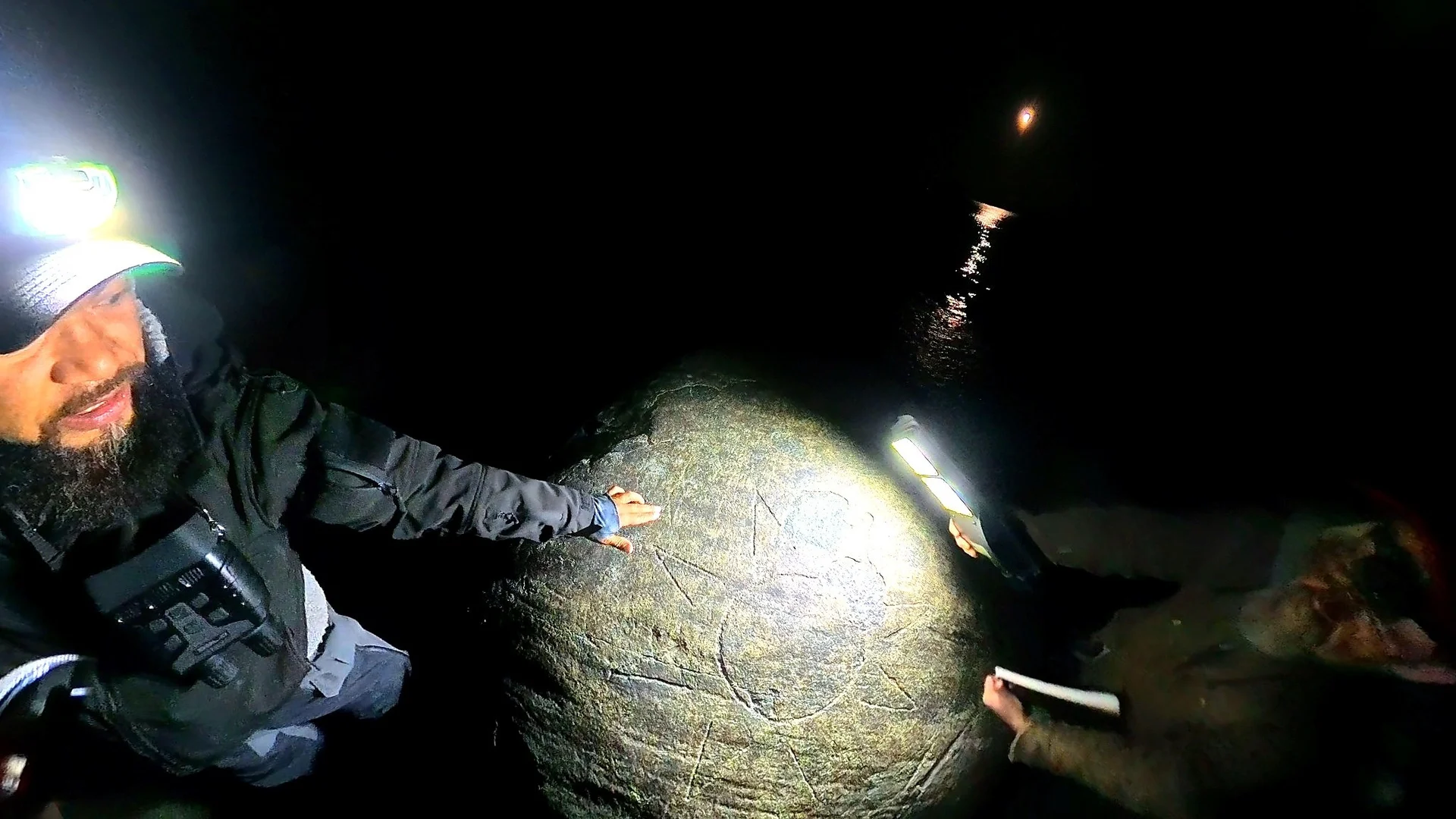
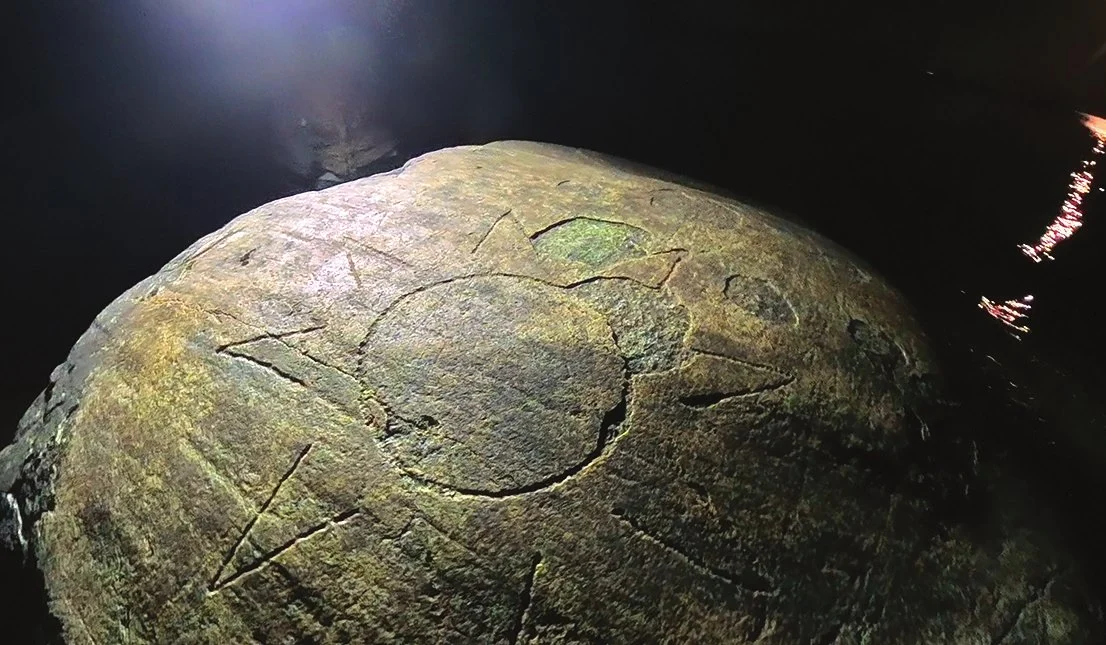
The goal is to create a record that others can examine and revisit. Each image should help us ask a more precise question. The most useful clue may be the one that changes our minds.
That’s why we use LiDAR scanning and photogrammetry. As repeated tides and weathering gradually wear down the stone, these methods help us preserve a three-dimensional record of the marker’s shape and surface details. Future scans can help us see what has changed.
Follow the evidence
An eight-pointed design invites maritime questions. I have consulted maritime archaeologist Scott Williams, who is not related to me, about the investigation and how the marker might be documented and assessed.
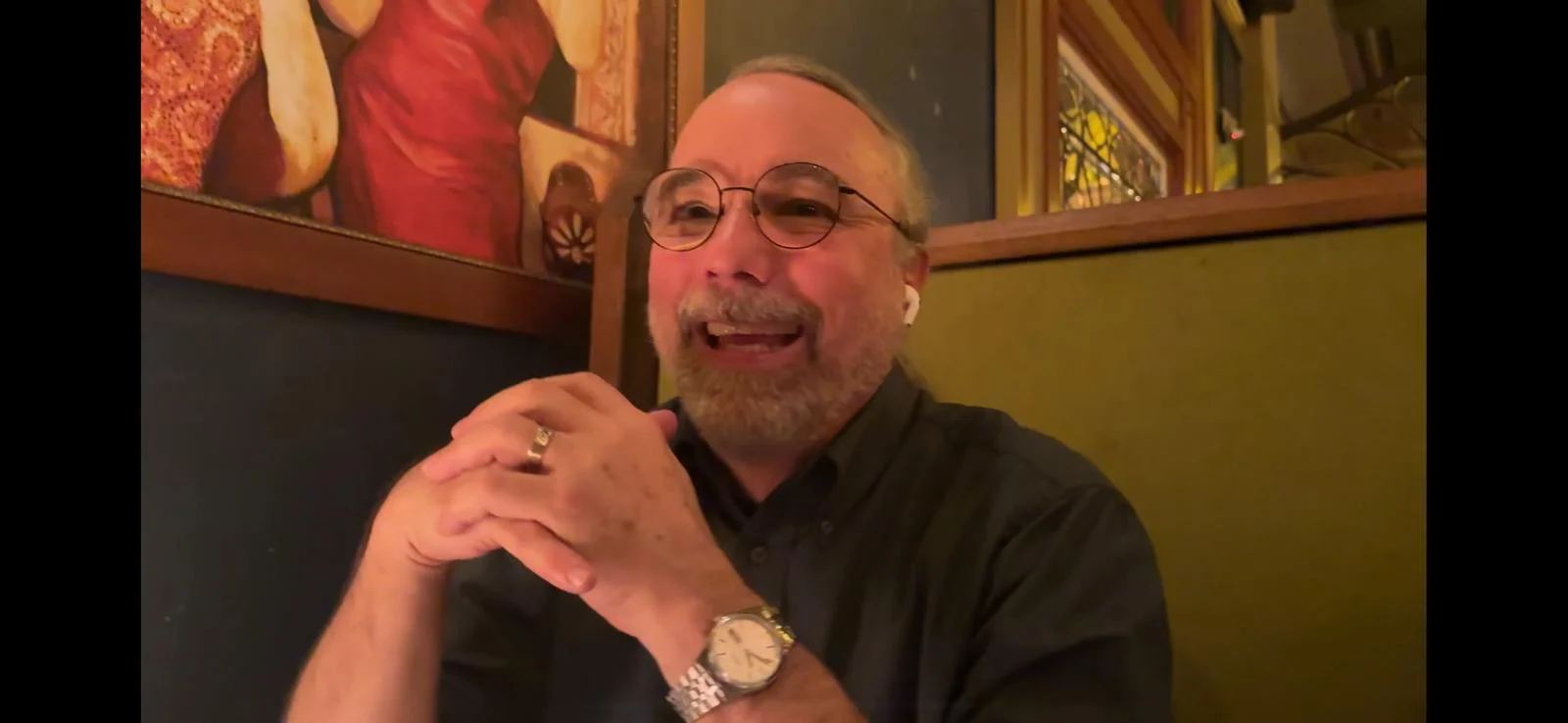
Scott and his colleagues helped build the archaeological, geological and historical case identifying Oregon’s Beeswax Wreck as the Santo Cristo de Burgos, a Manila galleon that left the Philippines in 1693.


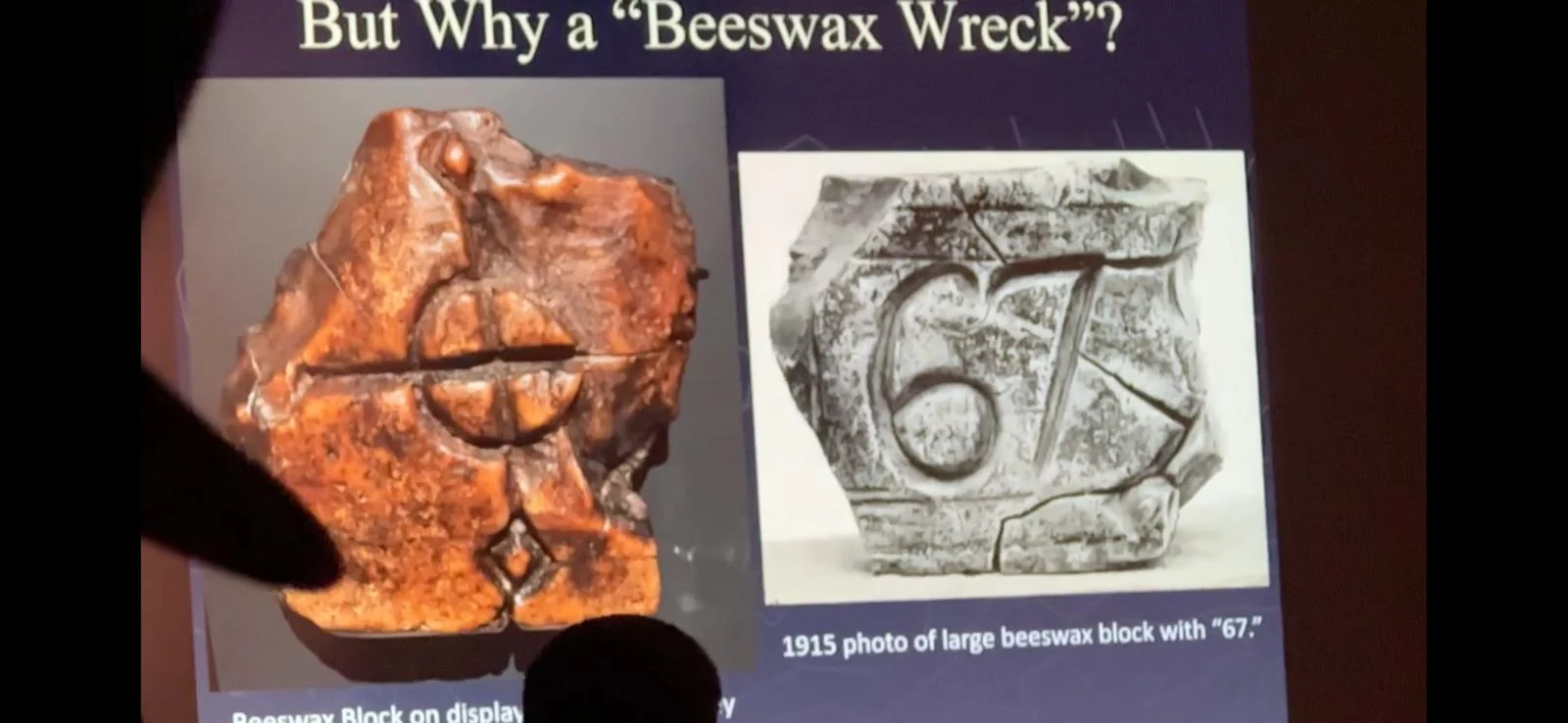
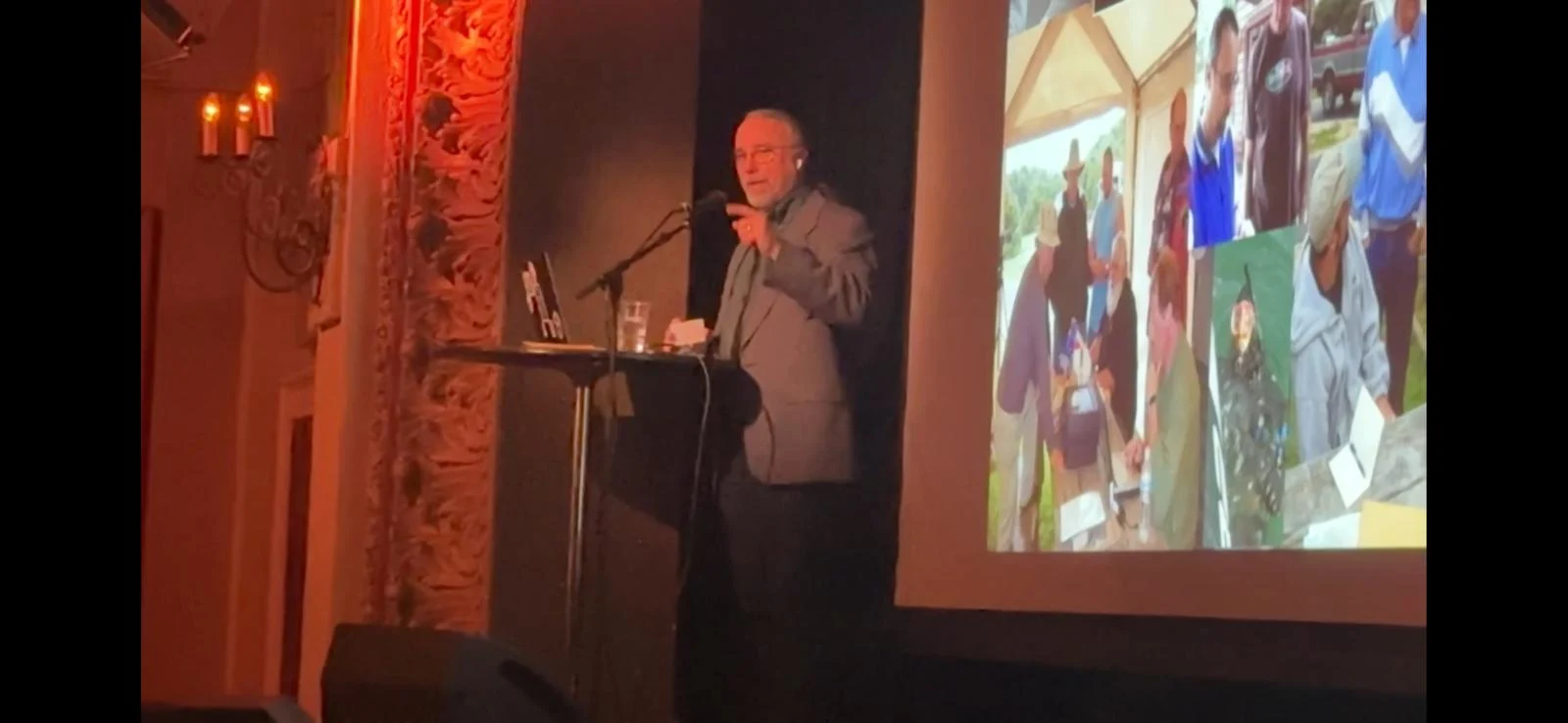
That work offers a compelling example of how a coastal mystery can yield to patient research. No connection between the Qathet Marker and any shipwreck has been established. The value of Scott’s perspective is in the questions it helps us ask.
I have also consulted with several First Nations. Those conversations are part of an ongoing responsibility to listen, seek permission and respect how knowledge is shared. They should not be read as endorsement of a particular theory. Each Nation retains authority over its own histories and cultural knowledge.
The find has been reported to the BC Archaeology Branch. Its exact location is being withheld while research and consultation continue.
This is the approach behind Legend Code: bring field observations into conversation with historical records, specialist knowledge and stories shared with permission. Let the evidence determine the direction, even when it leads somewhere unexpected.
Before the stories disappear
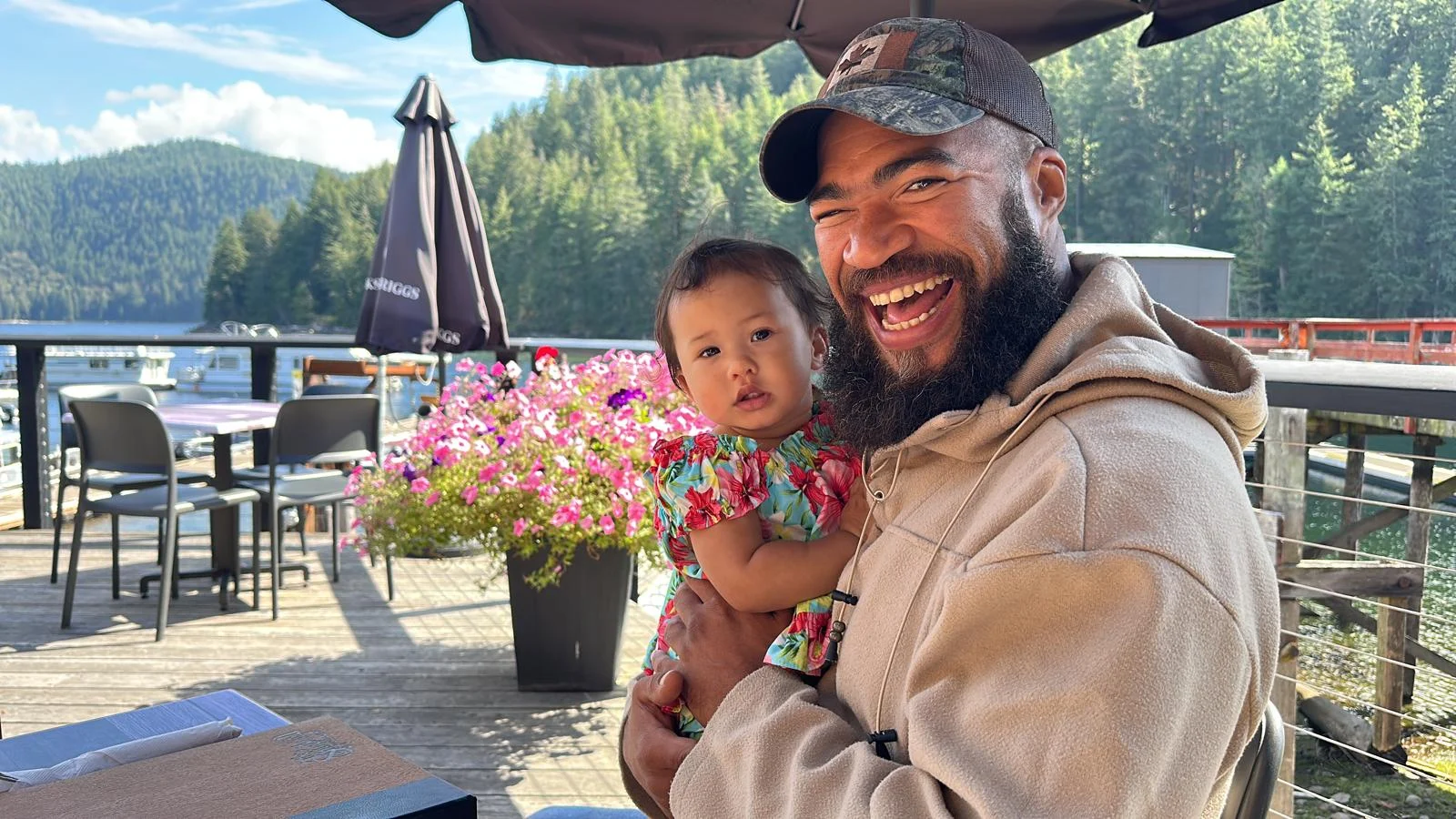
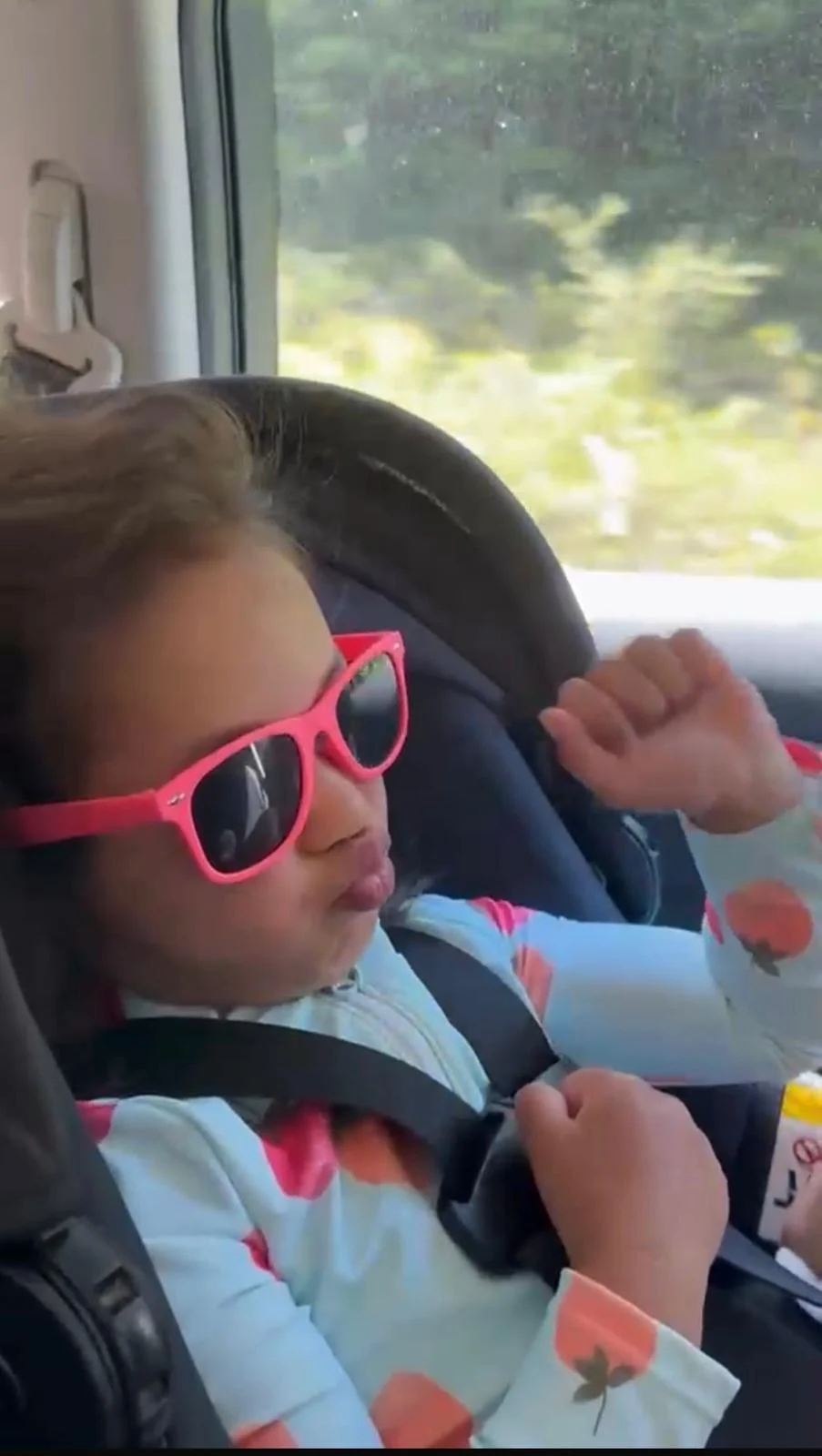
My reason for recording these stories is personal. I lost my father when I was young, and only a handful of photographs remain. I want my daughter to have more: a record of the places I explored, the people I learned from and the questions that mattered to me.
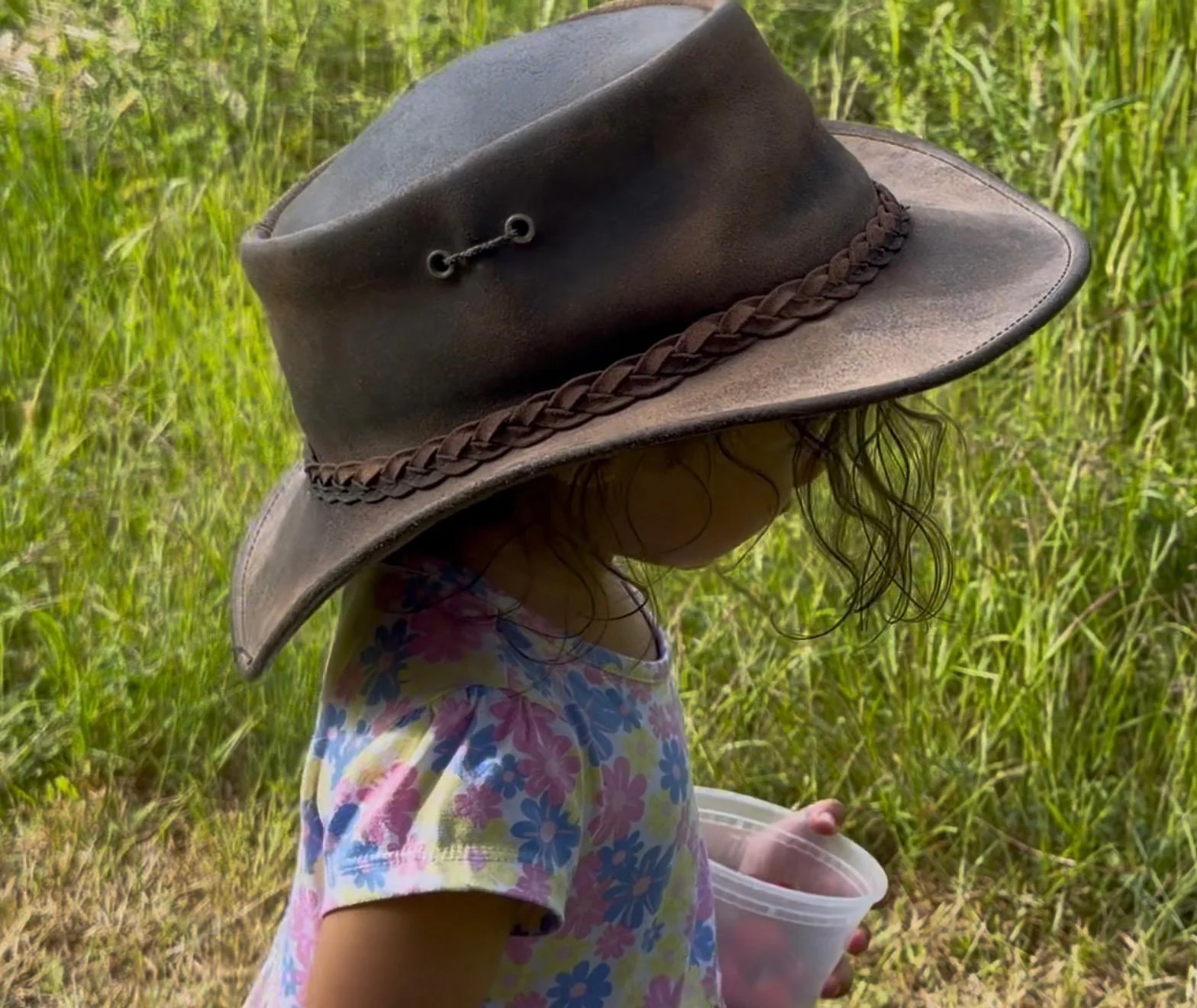
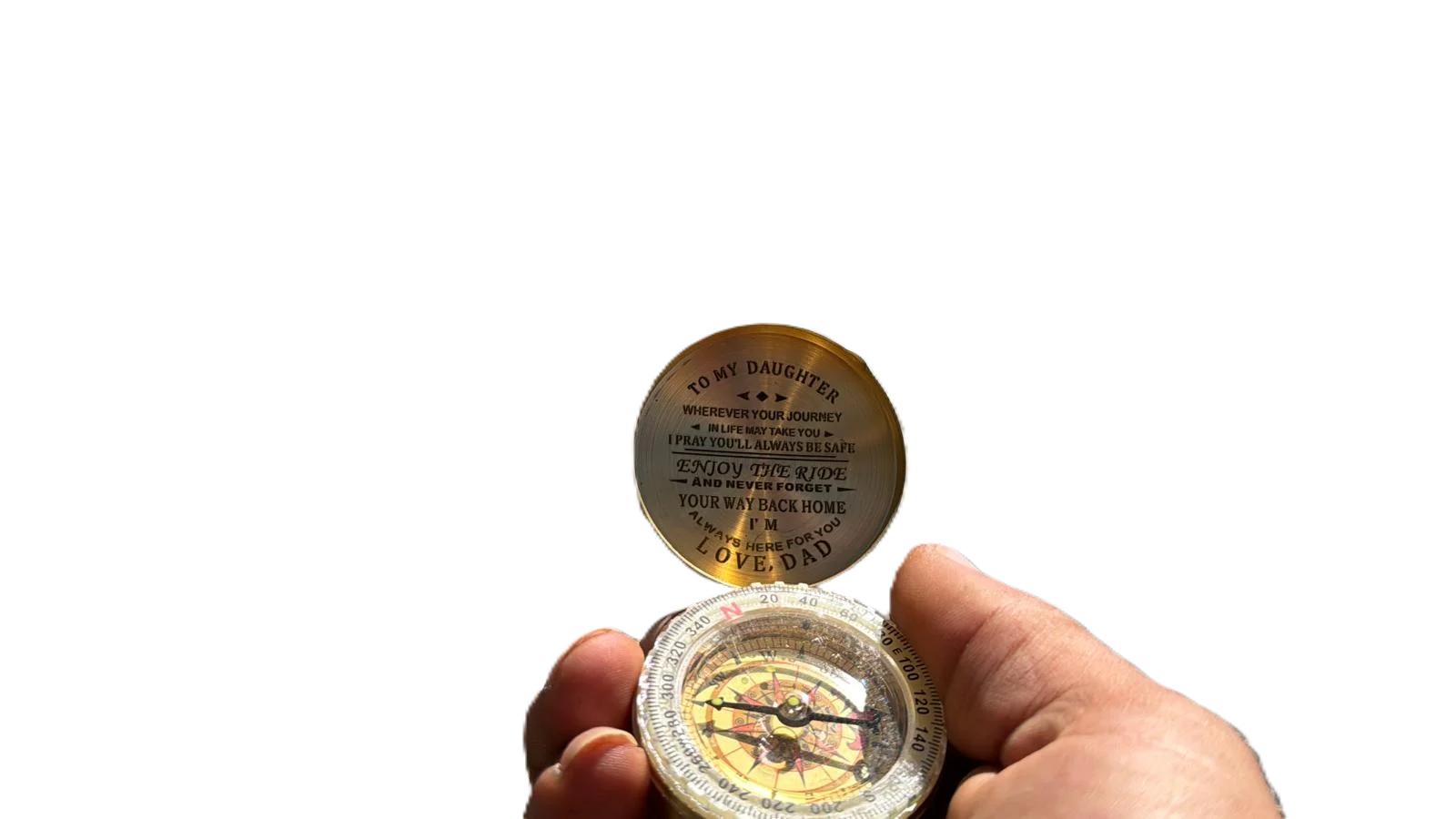
I once hoped to interview an experienced prospector whose memories held a piece of coastal history. He died before we could have that conversation. I still think about the questions I never got to ask.
That is part of what gives Legend Code its urgency. Across the coast, knowledge survives in people’s memories, family photographs, journals and conversations. Recording it now can leave something valuable long after any one investigation is over.
The living coast belongs in that record, too. Work with conservation biologist Vanessa Kilburn, MSc, brings wildlife and habitat into the wider Legend Code story, connecting the search for history with the environments around us.
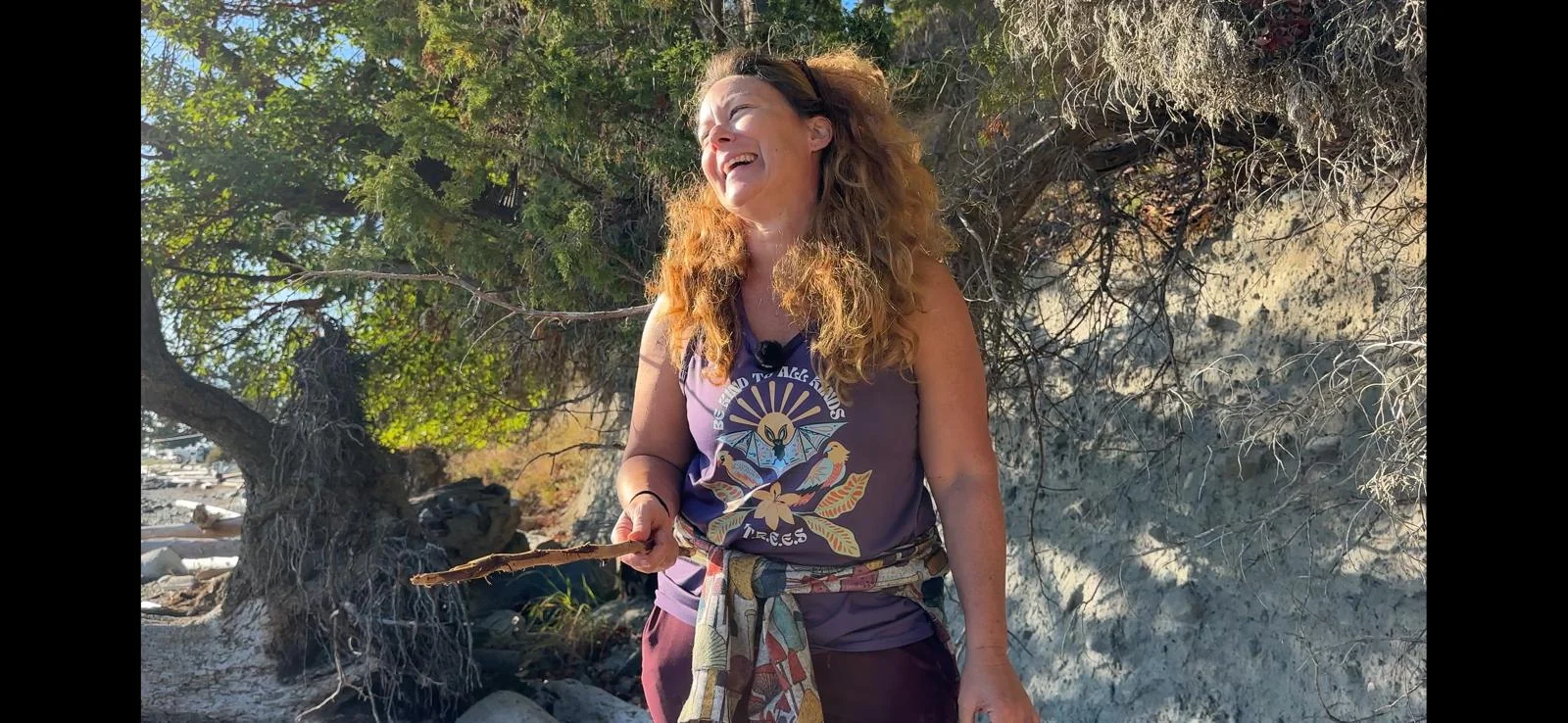
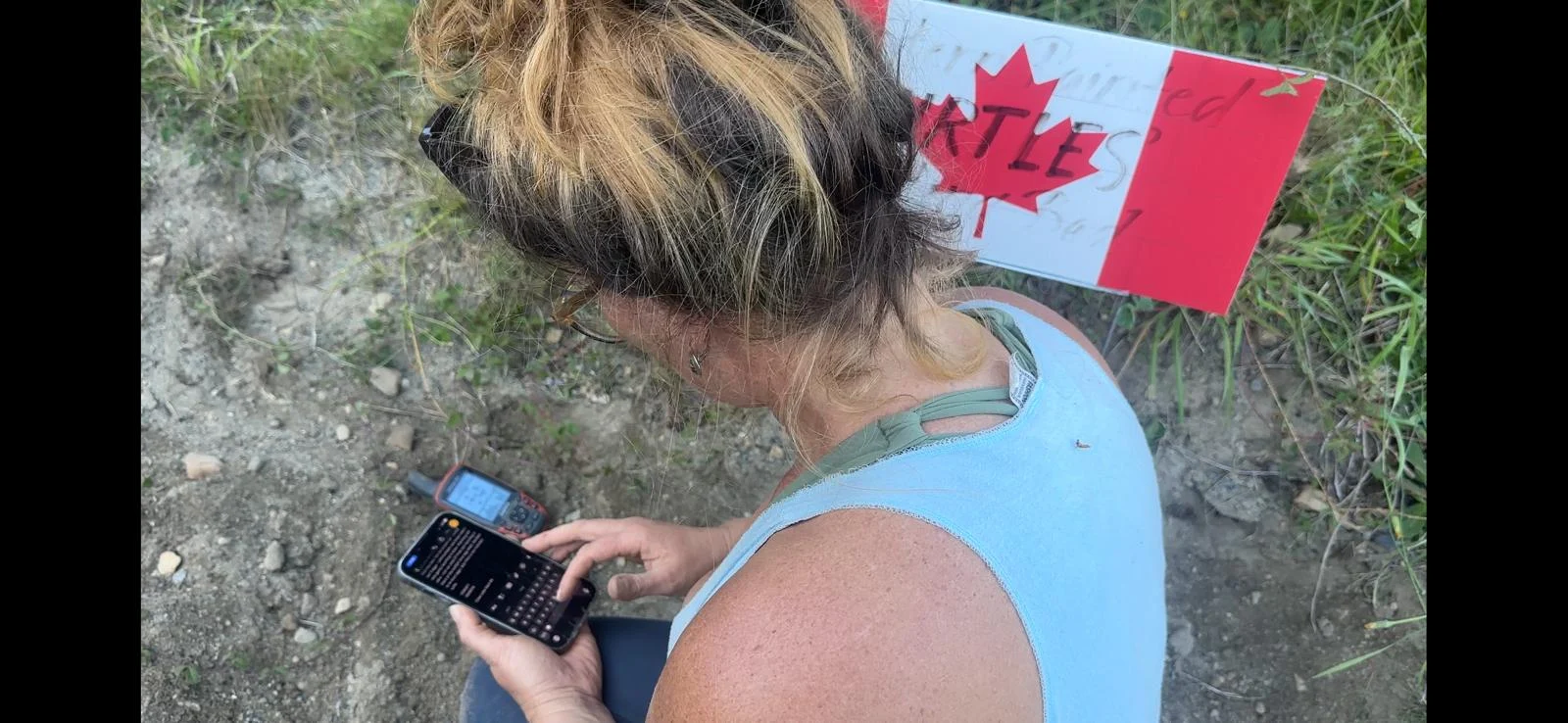

We are developing ideas for immersive, 360-degree learning experiences that bring students closer to fieldwork. I want young people to see how an observation becomes a question, how a question can be tested, and why a careful record matters.
The Qathet Marker is an opening case for that larger project. Its explanation may be extraordinary or surprisingly ordinary. Either way, the investigation can preserve knowledge and give people a reason to look more closely at the coast.
Perhaps you have an old chart, a dated photograph, a diary or a family account that could help. Perhaps you recognize a comparable mark and can tell us where it was recorded. Share the source as well as the story, and share cultural knowledge only with appropriate permission.
For now, the stone keeps its answer. The tide will return. What we can do in the time between is look carefully, listen well and leave a record for whoever asks the next question.
“The most useful clue may be the one that changes our minds.”
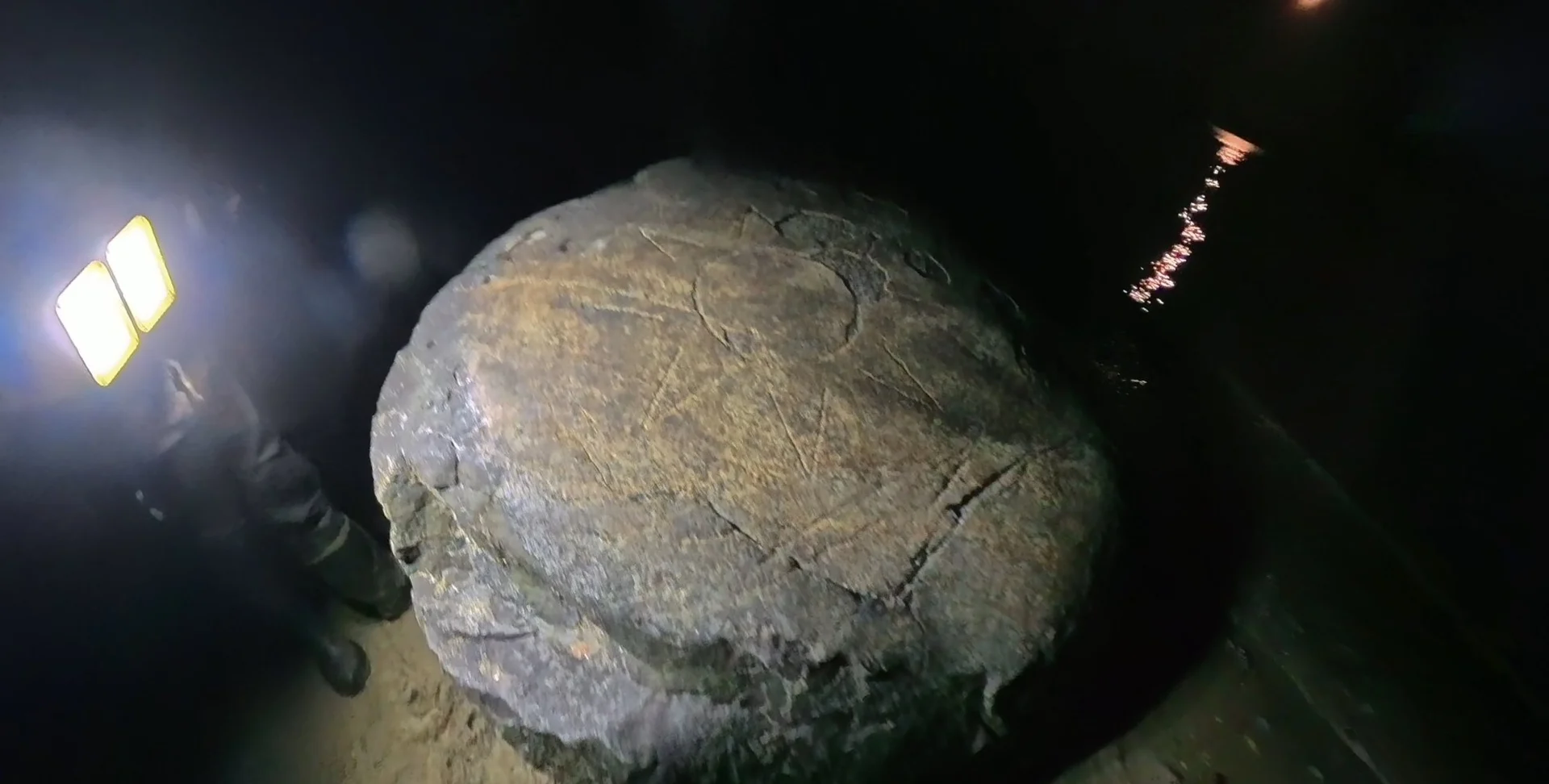
Photographs: Kru Williams / Legend Code. Maritime background: Scott Williams, “Beeswax shipwreck,” The Oregon Encyclopedia.
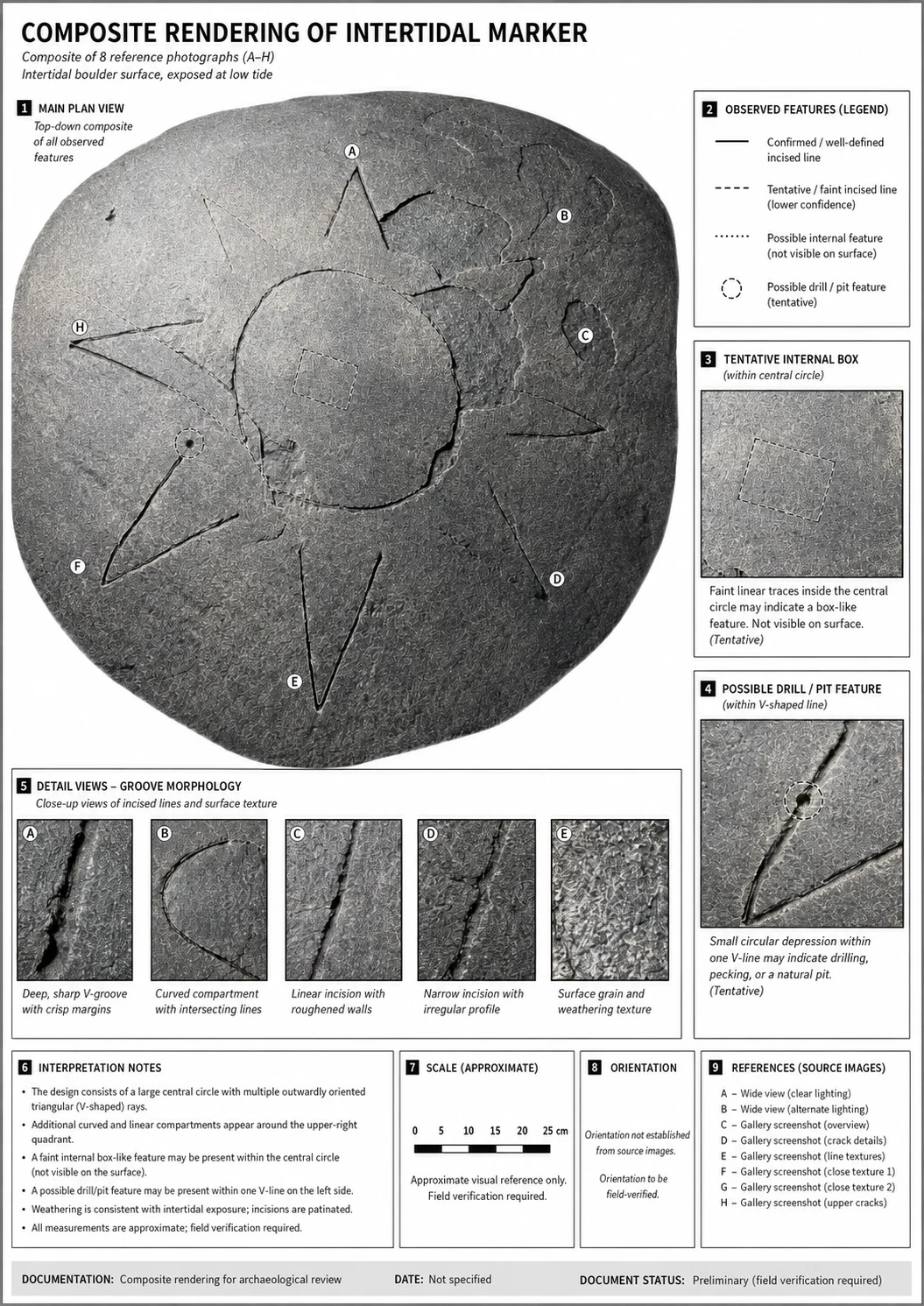
The marker from another angle
These AI-assisted composites offer another way to look at the pattern and compare details. The annotations, suggested features, and measurements are illustrative and require field verification.

New · Field update
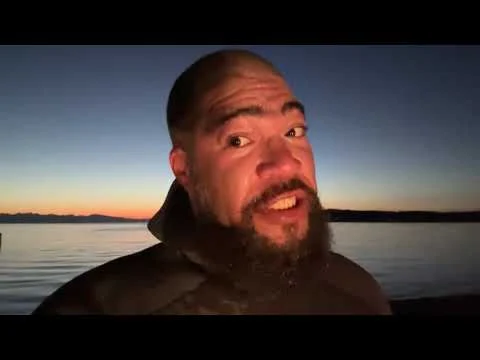
NEW Breaking info found under the sea!!!
Watch the latest Qathet Marker underwater update.
Watch the video ↗Get the next Legend Code case
Follow the West Coast investigations from Case 001 onward. Sign up for case releases and launch updates by email.